






Former Commissioner Rotimi Iliasu Suleiman Dumps APC For Peoples Democratic Party
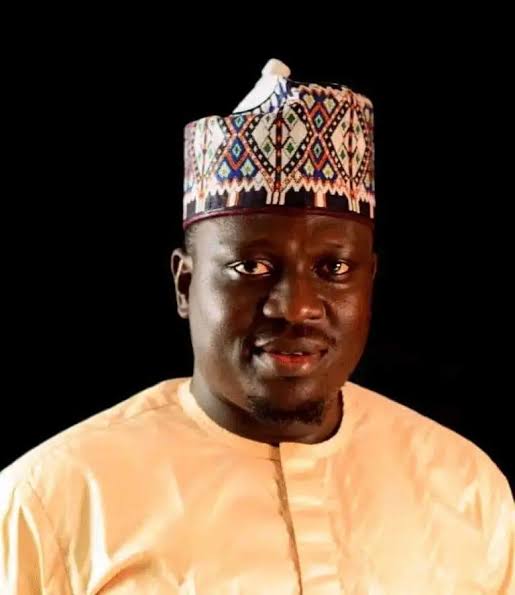
A former Commissioner for Works and Transport in Kwara State, Rotimi Iliasu Sulaiman, has officially defected from the All Progressives Congress (APC) to the Peoples Democratic Party (PDP), in what observers see as an early signal of shifting political alignments ahead of the 2027 general elections.
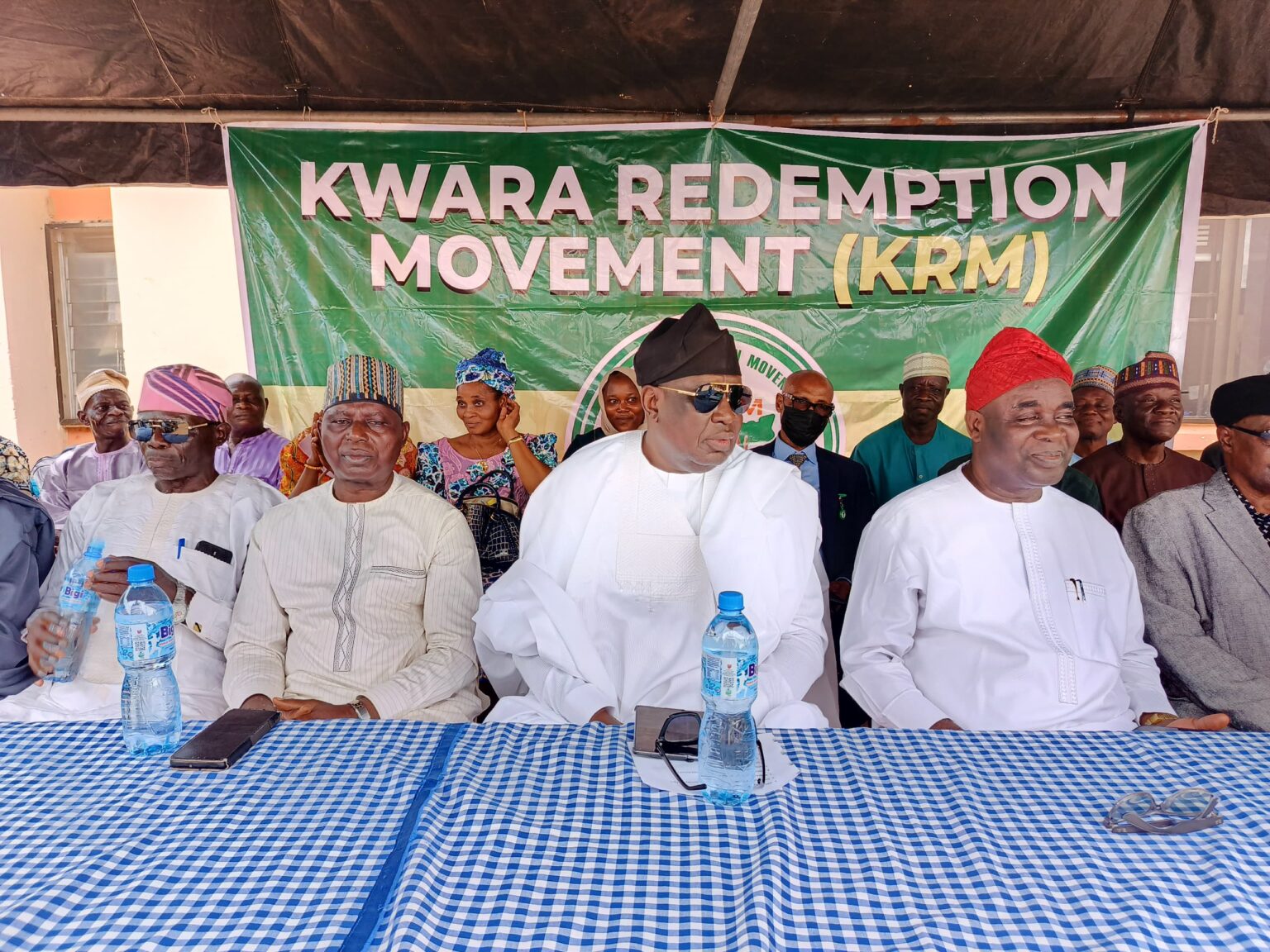
Sulaiman announced his defection during a meeting with PDP stakeholders from Moro Local Government Area, citing what he described as a growing disconnect between the APC and the aspirations of the people.
According to him, the ruling party in Kwara State has strayed from the vision and expectations of the masses, prompting his decision to realign with a platform he considers more people-oriented.
Beyond the immediate reasons given, the move reflects a broader recalibration already taking shape within Kwara’s political space. Since the 2019 “Otooge” political wave that upended the dominance of the PDP, the APC has maintained control of the state. However, as the next electoral cycle approaches, questions around performance, inclusion, and grassroots engagement are gradually re-emerging as defining issues.
By openly praising Abubakar Bukola Saraki, whom he described as a responsive and people focused leader, Sulaiman’s defection also carries symbolic weight. It signals a subtle revalidation of the PDP’s legacy structure, which, despite its 2019 defeat, continues to retain influence across key voting blocs in the state.
His call for intensified mobilization within the PDP further suggests that the opposition is not merely reacting but strategically preparing for a comeback. With political actors beginning to position themselves, such defections could serve as building blocks for a broader coalition capable of challenging the APC’s dominance.
At the same time, the development may point to internal dynamics within the APC, where competition among emerging interests and future aspirants could be creating cracks within the party’s ranks. In Nigerian politics, such early movements are often less about ideology and more about timing, access, and perceived electoral viability.
Sulaiman expressed confidence that the PDP is well-positioned to reclaim power in Kwara State by 2027, urging party members to strengthen grassroots structures and sustain engagement with the electorate.
While it remains unclear whether his defection will trigger a wider wave of political shifts, it undeniably adds momentum to the quiet but intensifying build-up to 2027. In a state where political outcomes have historically been shaped by strong narratives and strategic alliances, this move may prove to be an early indicator of a more competitive and unpredictable contest ahead.