








Festive season: MOK Foundation distributes Food items to 3,000 Muslims, Christians in Offa
Tears of joy, prayers and smiles filled the air in Offa, Kwara State, on Sunday as the Muhydeen Okunlola Kayode (MOK) Foundation distributed food items to about 3,000 residents in the community.
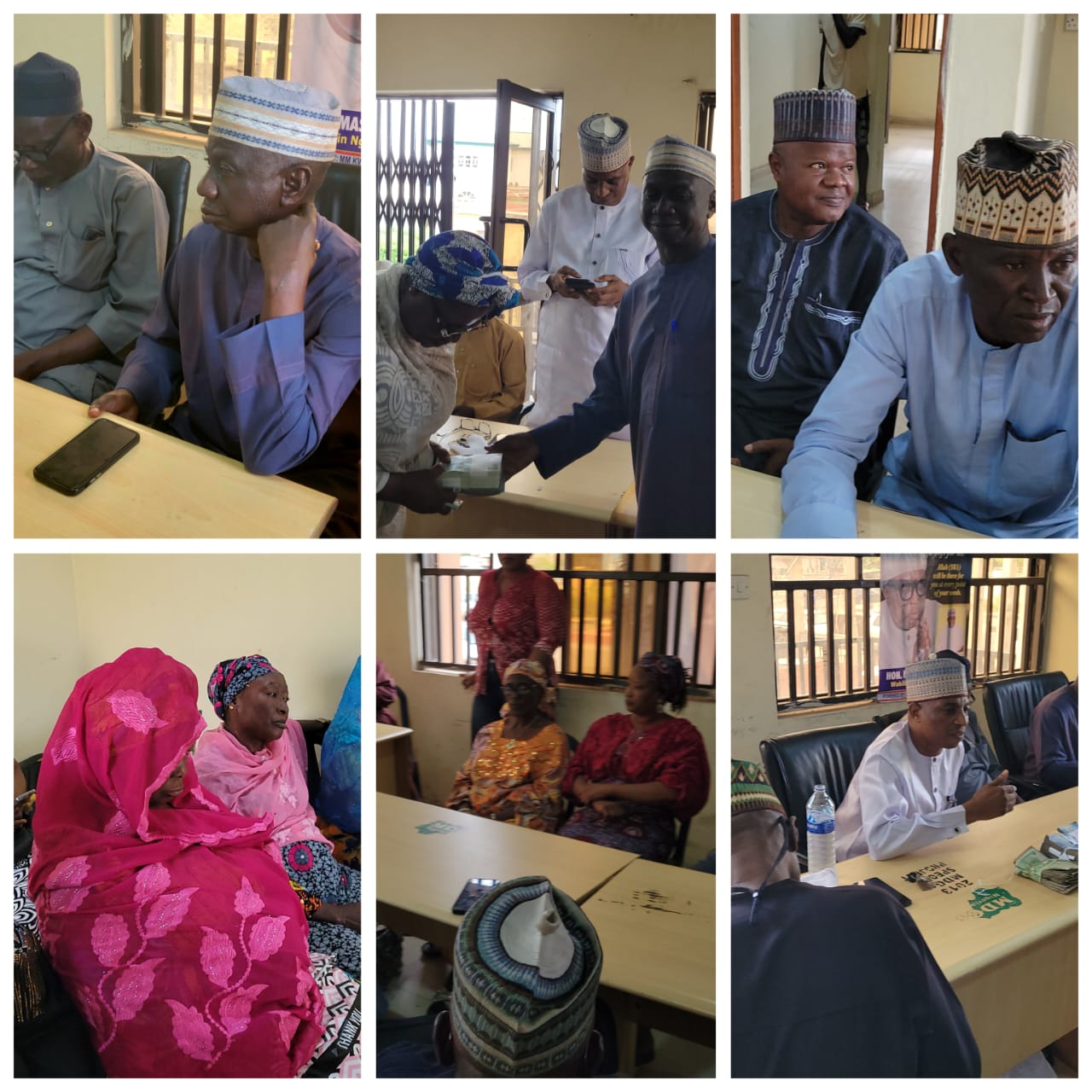
The humanitarian exercise, held at the foundation’s head office in Emiola, Offa, saw beneficiaries drawn from across Muslim and Christian communities, including people living with disabilities.
During the outreach, the foundation distributed various food items such as rice, beans, spaghetti, semovita and garri to families as part of efforts to cushion the impact of the current economic challenges.
The foundation explained that the programme forms part of its ongoing commitment to alleviating hunger and supporting vulnerable members of society.
Founder of the foundation, Qs Muhydeen Okunlola Kayode, said the initiative was inspired by the need to extend compassion and practical support to members of the community.
“We believe that humanity is about lifting one another, especially during difficult times. This initiative is our little way of supporting families and reminding them that they are not alone,” he said.
Kayode added that the foundation would continue to expand its humanitarian activities to reach more people in need.
Speaking with journalists, the Director of the foundation, Saheed Lawal, described the distribution as another phase of the organisation’s food intervention programme.
He recalled that the foundation had earlier embarked on a food security initiative by cultivating about 50 hectares of farmland where cereal and tuber crops were planted to support food supply for humanitarian programmes.
According to him, some of the crops harvested from the farm were processed into raw food items such as corn and cassava flakes and distributed to beneficiaries.
“Qs Muhydeen Okunlola Kayode derives joy from making an impact, and he has been consistently doing that for the past three years and he is not stopping. What we are witnessing today is another distribution of food palliative harvested from the foundation’s farm.
“The food security initiative is to support government efforts and not to compete with the government,” Lawal said.
He added that beyond food intervention, the foundation also implements several humanitarian programmes, including healthcare support, scholarship schemes, cash support for small businesses and community development initiatives.
Some beneficiaries who spoke during the exercise expressed appreciation to the foundation for the gesture.
One of them, identified as Mallam Sarafa, said the intervention was not his first time benefiting from the foundation’s programmes, describing the initiative as a consistent support system for people at the grassroots.
Another beneficiary praised the founder, describing him as a compassionate leader who has remained committed to helping ordinary people.
For many residents in Offa, the exercise was more than a food distribution programme — it was a demonstration of compassion and a reminder that collective support can make a meaningful difference in people’s lives.