

I Trust This Man With Kwara’s Future: My Unreserved Endorsement of Governor AbdulRahman AbdulRazaq and Everything He Has Built for Our State, By Dr. Toba Oloyede
When AbdulRahman AbdulRazaq swept into office in May 2019 on the wings of the historic ‘O To Ge!’ movement, a people-powered declaration that enough was enough, many wondered whether his administration would live up to the enormous expectations that came with that watershed moment. Today, more than six years later, the evidence is overwhelming, the scorecard is undeniable, and the verdict of history is being written in concrete, in classrooms, in hospitals, and in restored dignity: Kwara State has found, in Governor AbdulRahman AbdulRazaq, not just a leader but its finest governor to date.
This is not praise for its own sake. It is a reckoning with facts; a recognition of a man who took a state long held hostage by political feudalism and chose, instead, to govern for the people. From the northernmost communities of Kwara North to the farming heartlands of Kwara Central and the culturally rich communities of Kwara South, the imprint of this administration’s work is visible, measurable, and enduring.
*He did not just win an election. He won back the soul of Kwara State and chose to govern it with conscience, competence, and courage.*
I. EDUCATION——
Education Transformed Across All Three Senatorial Districts
Perhaps no sector captures Governor AbdulRazaq’s commitment to the future of Kwara more powerfully than education. Upon assumption of office, his administration inherited a deeply troubled school system: underfunded, understaffed, and structurally neglected for decades. What followed was one of the most ambitious school renovation and construction programmes in the state’s history, with projects distributed deliberately and equitably across all three senatorial districts.
Projects Delivered in Kwara Central
Full rehabilitation of Government Day Secondary School, Ilorin, restoring one of the state’s flagship institutions to its former glory.
Renovation and refurbishment of Government Secondary School, Ganmo, Ilorin West Local Government Area.
Construction and equipping of new science laboratories at Government Secondary School, Tanke, Ilorin.
Distribution of furniture, textbooks, and digital learning aids to all public schools within the Ilorin metropolis.
Renovation of primary schools across Asa, Ilorin East, Ilorin South, and Moro local government areas.
Establishment of a model school at Fate, Ilorin, equipped with modern classrooms, a library, and an ICT centre.
Projects Delivered in Kwara North
Reconstruction and full equipping of Government Secondary School, Lafiagi, Edu Local Government Area, serving communities long denied quality infrastructure.
Renovation of Government Secondary School, Kaiama, Baruten Local Government Area, one of the most remote constituencies in the state.
Rehabilitation of primary schools across Edu, Baruten, Kaiama, and Patigi local government areas with new roofing, floors, windows, and furniture.
Deployment of qualified science and mathematics teachers to secondary schools in Kwara North under a targeted placement scheme.
Payment of NECO and WASSCE examination fees for all public school candidates across the senatorial district.
Provision of solar power to schools in off-grid communities in Baruten and Patigi, enabling evening study for pupils.
Projects Delivered in Kwara South
Renovation of Government Secondary School, Offa, one of the oldest and most storied institutions in Kwara South.
Rehabilitation of Government Secondary School, Omu-Aran, Irepodun Local Government Area, including new classrooms and laboratory blocks.
Reconstruction of damaged school buildings at Government Secondary School, Ajase-Ipo, Ifelodun Local Government Area.
Construction of toilet and sanitation facilities in primary schools across Ekiti, Isin, Oke-Ero, and Oyun local government areas.
Stocking of school libraries and supply of textbooks to over thirty secondary schools across the senatorial district.
Renovation of Government Secondary School, Oro, Irepodun Local Government Area, benefiting communities in the Irepodun corridor.
Key Education Policies Enacted
The Free and Compulsory Education Policy (2020): Guaranteeing free tuition for all public school pupils from primary through secondary levels.
The Kwara Education Quality Assurance Policy: Establishing a rigorous framework for regular inspection and benchmarking of all public schools statewide.
The Teacher Welfare and Development Policy: Addressing promotion backlogs, withheld allowances, and structured professional development for educators.
The STEM Integration Policy: Mandating the teaching of science, technology, engineering, and mathematics in all public secondary schools.
The Scholarship Expansion Policy: Broadening access to Kwara State Scholarship Board awards to cover more beneficiaries across all local government areas.
The KwaraLEARN Programme (2021): A pioneering digital education initiative designed to empower teachers with technology-driven instructional tools, described by the Governor as one of his best-ever policies, improving learning outcomes across public schools statewide.
The Abolition of PTA Levy (2025): Governor AbdulRazaq approved the complete stoppage of Parent-Teacher Association levies in all public primary schools from Primary 1 to 6, replacing them with government-funded annual grants to all 1,717 public primary schools, ensuring schools remain operationally funded without burdening parents.
The Kwara State Education Trust Fund: The Board was inaugurated to mobilise sustainable private sector resources for educational infrastructure development, providing a long-term funding mechanism beyond the state budget.
The AGILE Initiative (Adolescent Girls Initiative for Learning and Empowerment): Governor AbdulRazaq facilitated this World Bank-supported programme for Kwara State, targeting improved learning environments and empowerment for adolescent girls across the state’s public schools.
Ongoing and Recent School Renovation Programmes
Beyond completed projects, Governor AbdulRazaq’s administration has maintained an ambitious, continuously expanding pipeline of school renovation and construction. The scale of what is currently under execution represents one of the most comprehensive education infrastructure programmes ever undertaken in Kwara State’s history.
Comprehensive renovation and construction at Ilorin Grammar School, Ilorin West Local Government Area, covering classrooms, sanitation facilities, laboratories, and administrative blocks at one of the oldest schools in the state capital.
Comprehensive renovation and construction at Government High School, Ilorin East Local Government Area.
Comprehensive renovation and construction at Patigi Secondary School, Patigi Local Government Area, Kwara North.
Comprehensive renovation and construction at Government Secondary School, Lafiagi, Edu Local Government Area.
Comprehensive renovation and construction at Offa Grammar School, Offa Local Government Area, Kwara South.
Comprehensive renovation and construction at Oro Grammar School, Oro, Irepodun Local Government Area.
Comprehensive renovation and construction at Government Secondary School, Share, Ifelodun Local Government Area.
Comprehensive renovation and construction at Government (Unity) Secondary School, Kaiama, Baruten Local Government Area.
Pre-handover inspections led by the Commissioner for Education at United Community Secondary School, Barakat Community Secondary School, and Baboko Community Secondary School in Ilorin, all undergoing extensive remodelling and infrastructure upgrades at the time of inspection.
Ongoing UBEC/SUBEB intervention projects covering the construction of 70 new classroom blocks with offices, construction of 28 VIP toilet blocks, remodelling of 110 classrooms, fabrication of 4,652 pupil desks and 391 teacher furniture units, drilling and installation of 11 motorised solar-powered boreholes, rehabilitation of digital literacy centres, and implementation of the Safe Schools Initiative across selected schools in Asa, Kaiama, Offa, Ilorin West, and Ilorin South local government areas.
The AGILE renovation sub-component targeting the renovation of 898 public junior and senior secondary schools statewide, the largest single school renovation programme in Kwara State’s history, with WASH facilities being a central component and School-Based Management Committees trained and empowered to oversee quality and community ownership.
Procurement and free distribution of English and Mathematics textbooks to all pupils in public primary schools across the state.
Renovation and rehabilitation of the School for the Blind, Ilorin, including the donation of Braille learning tools and educational aids to support pupils with visual impairment.
Reaccreditation of the Kwara State School of Nursing and Midwifery and all Colleges of Education, restoring their institutional standing and enabling them to admit and graduate students without hindrance.
The state’s 2025 budget allocated 16.2 per cent of the total N540.37 billion budget to education, underscoring the administration’s sustained financial commitment to the sector year on year.
He did not just fix buildings. He restored the dignity of public education in Kwara. And with 898 schools under the AGILE renovation programme, he is ensuring that every child in Kwara, girl or boy, rich or poor, has a school worthy of their potential.
*A Healthier Kwara:*
Revitalising Health Infrastructure Across the State
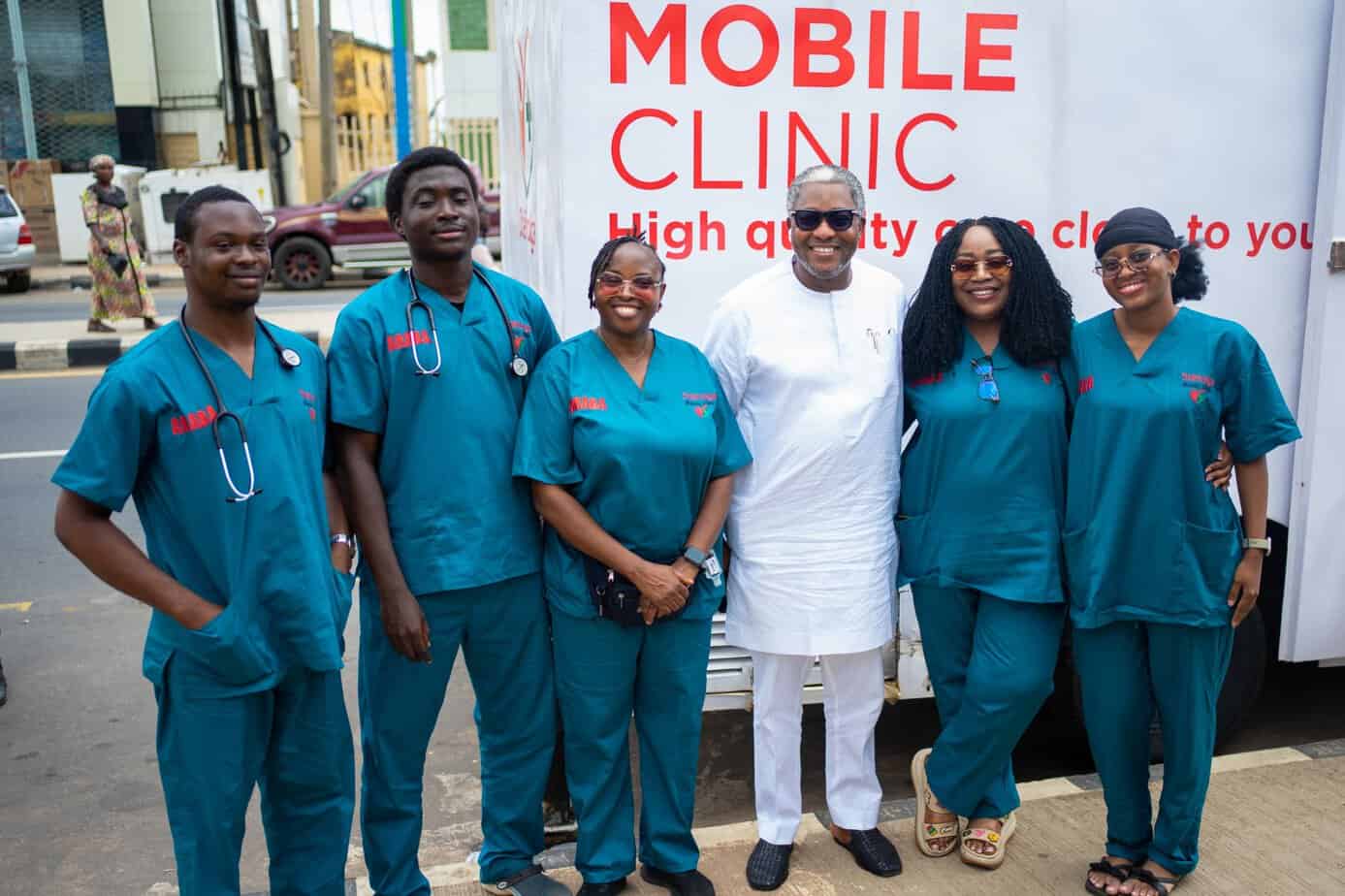
Kwara’s health sector was, like its schools, desperate for urgent attention when Governor AbdulRazaq assumed office. His administration responded with a phased, systematic rehabilitation of primary healthcare centres across all three senatorial districts, while simultaneously upgrading specialist hospitals and expanding maternal and child health services to underserved communities.
Projects Delivered in Kwara Central
Rehabilitation and equipping of primary healthcare centres in Ilorin West, Ilorin East, Ilorin South, Asa, and Moro local government areas.
Supply of ambulances and emergency medical equipment to general hospitals serving Kwara Central communities.
Establishment of a maternal and child health programme targeting reduction of infant and maternal mortality in Ilorin and its environs.
Renovation of the Maternity and Children’s Hospital, Ilorin, improving care for mothers and newborns in the state capital.
Construction of a new isolation and infectious disease ward at General Hospital, Ilorin, enhancing the state’s capacity to manage public health emergencies.
Projects Delivered in Kwara North
Complete renovation and equipping of General Hospital, Lafiagi, Edu Local Government Area, the main referral facility for Kwara North communities.
Rehabilitation of primary healthcare centres in Baruten, Kaiama, and Patigi local government areas, historically underserved by health infrastructure.
Supply of essential medicines and medical consumables to PHCs across the senatorial district under a free drug distribution initiative.
Deployment of doctors and nurses to General Hospital, Kaiama, addressing a critical staffing shortage that had persisted for many years.
Construction of maternity wards in two PHCs in Edu Local Government Area, bringing safe delivery services closer to rural mothers in Kwara North.
Projects Delivered in Kwara South
Renovation and equipping of General Hospital, Offa, serving as the anchor health facility for Kwara South communities.
Rehabilitation of the General Hospital, Omu-Aran, Irepodun Local Government Area, including new wards and modern diagnostic equipment.
Rehabilitation of PHCs across Oyun, Isin, Oke-Ero, and Ekiti local government areas with new medical equipment and drug supplies.
Launch of the Ifelodun and Offa maternal health outreach programme, improving antenatal care access for rural women.
Supply of ultrasound machines and oxygen concentrators to general hospitals in the senatorial district.
Key Health Policies Enacted
The Primary Healthcare Revitalisation Programme: A structured policy committing government resources to rehabilitating at least one PHC per ward across all 16 local government areas.
The Free Maternal and Child Health Policy: Ensuring free antenatal, delivery, and postnatal care services at all government health facilities statewide.
The Essential Medicines Availability Policy: Mandating consistent supply of essential drugs to all PHCs, ending years of chronic shortages.
The Health Worker Recruitment and Retention Policy: Providing competitive allowances to health workers who accept posting to rural and underserved communities across Kwara.
Communities in Kwara North that once had no functioning health facility now have PHCs with staff, drugs, and equipment. That is not politics. That is governance.
III. HOSPITALS UPGRADED
Transforming Healthcare Facilities: Major Hospital Upgrades Across Kwara State
Beyond the rehabilitation of primary healthcare centres, Governor AbdulRazaq’s administration undertook a deliberate programme of upgrading general and specialist hospitals to a standard befitting a progressive state. These upgrades have brought modern diagnostics, improved wards, better equipment, and renewed staffing capacity to facilities serving hundreds of thousands of Kwaranites annually.
General Hospital Upgrades Across the Three Senatorial Districts
Comprehensive upgrade of General Hospital, Ilorin, including new ward blocks, an expanded accident and emergency unit, modern theatre equipment, and improved power supply infrastructure.
Upgrade of the Civil Service Clinic, Ilorin: A facility that had fallen into severe disrepair was comprehensively renovated and re-equipped to serve state government employees and their families with dignity. The clinic now offers general outpatient services, laboratory diagnostics, pharmacy services, and maternal care under one roof.
Upgrade of General Hospital, Offa, Kwara South: New wards, diagnostic equipment, and a modernised theatre were installed, positioning the facility as a credible referral centre for the entire southern senatorial district.
Upgrade of General Hospital, Omu-Aran, Irepodun Local Government Area: The facility received new beds, medical equipment, and a rehabilitated maternity wing serving communities across Irepodun, Isin, and Oke-Ero local government areas.
Upgrade of General Hospital, Lafiagi, Edu Local Government Area: Beyond renovation, the facility received modern surgical equipment, new ward furniture, and a functioning pharmacy, transforming it into the anchor health institution for Kwara North.
Upgrade of General Hospital, Kaiama, Baruten Local Government Area: New diagnostic tools, ward rehabilitation, and deployment of additional medical personnel brought a previously struggling facility back to full functional capacity.
Upgrade of General Hospital, Patigi: Roofing, electrical, and water supply systems were overhauled, and the facility received a new set of medical equipment to serve River Niger corridor communities.
Upgrade of General Hospital, Ajase-Ipo, Ifelodun Local Government Area: Expanded outpatient capacity, new beds, and improved sanitation facilities were provided to serve growing demand from surrounding communities.
Kwara State University Teaching Hospital (KWASUTH)
One of the most landmark healthcare decisions of the AbdulRazaq administration has been the establishment and development of the Kwara State University Teaching Hospital (KWASUTH). This institution represents a transformative investment in both healthcare delivery and medical education in Kwara State, creating a platform for training the next generation of medical professionals while providing tertiary-level healthcare services to the people of Kwara.
KWASUTH was established to serve as the clinical training ground for medical and health science students of Kwara State University (KWASU), ending the era when Kwara’s own medical students had to travel outside the state for clinical attachments.
The teaching hospital has been progressively equipped with diagnostic and imaging equipment, theatre facilities, and specialist clinical units covering internal medicine, obstetrics and gynaecology, paediatrics, surgery, and family medicine.
Specialist consultants and resident doctors were recruited to staff the facility, building a credible clinical team capable of managing complex cases that previously required referral outside Kwara State.
KWASUTH has significantly reduced the burden of medical tourism on Kwaranites, providing high-quality tertiary healthcare closer to home and at more accessible cost.
The hospital serves as an anchor institution for medical research and public health initiatives in Kwara State, positioning the state as a growing centre of healthcare excellence in the north-central region.
The Kwara State University Teaching Hospital is not just a hospital. It is a statement of ambition: that Kwara can train its own doctors, treat its own citizens, and lead in healthcare on its own terms.
* IV. TERTIARY EDUCATION & INNOVATION*
Universities, Campuses, and the Knowledge Economy: Investing in Kwara’s Intellectual Future
Governor AbdulRazaq’s administration has made the expansion of access to quality tertiary education one of its defining commitments. Beyond the rehabilitation of primary and secondary schools, the administration has invested in the growth of Kwara State University, the establishment of new campuses to bring university education closer to underserved communities, and the creation of an innovation ecosystem for technology-driven development.
Kwara State University (KWASU): Growth and Consolidation
Sustained funding and infrastructure development at the main KWASU campus in Malete, Moro Local Government Area, including construction of new faculty buildings, hostels, and administrative blocks.
Accreditation of new academic programmes across engineering, health sciences, law, and the social sciences, broadening the university’s offerings and attracting a larger student population.
Improvement of KWASU’s research infrastructure through the provision of laboratory equipment, library resources, and internet connectivity.
Regular payment of staff salaries and promotion of academic and non-academic staff on merit, restoring confidence in KWASU as a credible institution of learning and employer of choice.
Pursuit of full accreditation for KWASU’s medical school programme in partnership with the National Universities Commission (NUC) and the Medical and Dental Council of Nigeria (MDCN).
Kwara State University of Education (KWASUED): A Historic New Institution
In one of the most visionary decisions of his entire administration, Governor AbdulRahman AbdulRazaq conceived, championed, and delivered the establishment of the Kwara State University of Education (KWASUED), a brand-new university dedicated to the training of professional educators at the highest level. Described by the Governor himself as a child of necessity, this institution is designed to position Kwara at the forefront of teacher education and knowledge-based development in Nigeria’s north-central region.
Governor AbdulRazaq inaugurated a blue-ribbon committee of top educationists, chaired by former University of Ilorin Vice-Chancellor Prof. Shuaib Abdulraheem, to midwife the establishment of the university, setting in motion a rigorous and structured process for the institution’s creation.
The Kwara State House of Assembly passed the Kwara State University of Education (Establishment) Bill, which the Governor signed into law alongside the Kwara State University Teaching Hospital (Establishment) Bill, in a landmark dual signing that created two new institutions of higher learning and healthcare in a single stroke.
On 30 July 2024, the National Universities Commission (NUC) formally recognised KWASUED as the 64th state-owned university and the 274th university in the Nigerian University System, with JAMB, TETfund, and NYSC all notified of its establishment.
The NUC’s approval came after the state government submitted a robust master plan, a comprehensive academic brief, and the enabling university law, demonstrating the seriousness and thoroughness with which the administration pursued this project.
In November 2024, Governor AbdulRazaq inaugurated the 11-member pioneer Governing Council of KWASUED, chaired by Prof. Shuaib Abdulraheem as Pro-Chancellor, clearing the path for the university’s official academic take-off.
The Olupo of Ajase-Ipo, Oba Ismail Yahya Alebiosu, was appointed as the pioneer Chancellor of KWASUED, connecting the new institution to the traditional authority and cultural identity of Kwara South.
KWASUED becomes the second state-funded university in Kwara State, following KWASU established in 2009, making Kwara one of a small number of states in Nigeria to host two state-owned universities.
The Governor presented new buses to the students’ unions at the inauguration of the Governing Council, signalling his personal commitment to student welfare at the new institution from its very first days.
KWASUED is envisioned as a centre of excellence for research, teacher training, and academic discipline, positioned to produce highly qualified education professionals who will transform teaching and learning across Kwara State and beyond.
In one of the most significant equity-driven decisions of his administration, Governor AbdulRazaq approved the establishment of the KWASU Osi Campus in Osi, Ekiti Local Government Area, bringing university-level education directly to a community in Kwara South that had never before hosted a tertiary institution. This decision was historic in its implications for educational access and community development.
The Osi Campus was established to serve students from Ekiti, Oke-Ero, Isin, and surrounding communities in Kwara South who previously had to travel long distances or relocate entirely to access university education.
The campus offers foundation and degree programmes in selected disciplines, with a clear expansion plan as infrastructure and staffing capacity grow.
Construction of lecture halls, administrative offices, and essential student facilities was commenced under the administration’s capital investment programme.
The Osi Campus sent a powerful and unmistakable message to communities in Ekiti Local Government Area and across Kwara South: that this administration sees them, values them, and is committed to investing in their children’s futures.
The campus also serves as an economic catalyst for Osi and its surrounding communities, generating employment and stimulating local commerce in a historically underserved part of the state.